Sivan 21 Habitual–Spirituality Granular Practices
I wanted to provide my readers with a practical system for maintaining a spiritual focus (Torah Focus) throughout the day. Modify it to fit your schedule.
Furthermore, Judaism is replete with many prayers that are practiced throughout the day. The list below is not intended to circumvent those prayers. Here, I’m trying to help you learn how to always keep God on your mind.
1. Foundation of Habitual Spirituality
- Continuous Awareness of Divine Presence:
- Practice: Regularly pause to ask, “Where is G-d in this moment?” This simple question helps center your thoughts and reorient your mind to divine awareness, whether you’re in deep thought, conversation, or action. This is not a mantra but an intentional redirection of focus (Torah Focus).
- Tool: Use a spiritual journal to track your moments of mindfulness. Record when you felt G-d’s presence and when you struggled to maintain awareness.
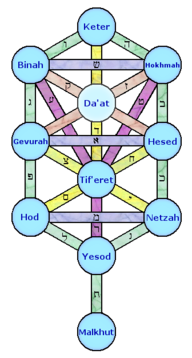
- Integration of the Sefirot:
- Practice: Meditate on the qualities of each Sefirah. Begin with Chesed (kindness) and integrate it into your interactions by consciously choosing to act with love and generosity, even in small, routine interactions.
- Example: If you’re working through a difficult task, align with Gevurah (discipline) and Tiferet (balance) to maintain focus and harmony.
- Tool: Keep a chart of the Sefirot on hand and review which one you are focusing on throughout the day.
- Kavannah (Intentionality):
- Practice: Before every major activity (e.g., eating, working, exercising), set an intention. Speak it aloud or in your mind: “I do this for the sanctification of G-d’s name.” This transforms every action into an act of spiritual service.
- Example: “In every breath, I remember You, G-d” could be your reminder during physical activities.
2. Morning Preparation: Setting the Tone for the Day
- Prayer and Gratitude:
- Practice: As soon as you wake up, say Modeh Ani with full intention. Follow it with a brief gratitude list of three things you are thankful for.
- Example: “Thank You, G-d, for the breath I take, the opportunities today hold, and the wisdom You offer.”
- Tool: Write your gratitude list daily and reflect on how each one connects to spiritual growth.
- Invocation of the Neshamah:
- Practice: Close your eyes for a moment of silence, and silently call upon your Neshamah. Imagine it ascending towards its higher levels (Ruach, Neshamah), seeking alignment with divine will.
- Tool: Use the Shema or other invocations that resonate with you to summon spiritual awareness at the start of each day.
- Mindful Breathing:
- Practice: Spend 5 minutes focusing solely on your breath. Inhale slowly, counting to four; hold for four; exhale for four. With each breath, mentally affirm: “I am open to the flow of divine energy.”
- Tool: Use a timer or a meditation app to create a consistent time for mindful breathing every morning.
3. Midday Connection: Maintaining Presence Amidst Activity
- Engagement with the Sefirot:
- Practice: Check in with yourself and consider which Sefirah might be most relevant to the situation you’re in. If you’re feeling overwhelmed, invoke Yesod (foundation) to ground your energy.
- Example: If you’re meeting someone and feel triggered, consider invoking Hod (humility) and Netzach (endurance) to remain patient.
- Tool: Carry a small card with the Sefirot listed and their qualities to refer to when challenges arise.
- Recitation of Psalms or Prayers:
- Practice: Use short, powerful invocations or Torah passages to re-align your energy to a state of holiness. Recite blessings before meals or actions with a deep focus on the energy being transacted.
- Example: When feeling distracted, say a few verses from Tehillim (Psalms) to refocus and renew your spiritual energy.
- Tool: Create a list of short prayers or psalms that are meaningful to you, and keep it easily accessible.
- Visualization:
- Practice: Take a moment to visualize a glowing sphere of Divine Light surrounding you. Imagine it protecting you from negative energies and infusing you with holiness as you go about your tasks.
- Tool: Use a visual affirmation (e.g., a photo of light or nature) as a reminder to recenter during the day.
4. Afternoon Realignment: Deepening Awareness
- Self-Reflection:
- Practice: Set aside 10 minutes in the afternoon to reflect on your spiritual state. Ask yourself: “How have I shown love and humility today? What can I do to realign myself with divine purpose?”
- Tool: Keep a pocket-sized notebook for jotting down your reflections and observations about how you handled challenges.
- Action as Avodah:
- Practice: Before each task, recite a phrase that reminds you of its sacred nature. Whether it’s work or a simple household chore, frame it as an offering to G-d.
- Example: “I do this for G-d’s glory” can help refocus your mind and elevate your actions.
5. Deep Study with Meditative Contemplation
- Study of Torah or Sacred Texts:
- Practice: Dedicate time each day for deep study, not merely for information but to connect with the divine wisdom. Engage with the text in a manner that invites deep contemplation.
- Example: While studying, ask yourself: “What is the deeper message here? How can I apply this divine wisdom to my life?” Let this study lead you to a place of introspection and spiritual growth.
- Tool: Use a Kabbalistic commentary or a mystical text as part of your study practice, allowing for slow, meditative reading. Reflect on each passage and its personal significance.
- Contemplative Practice:
- Practice: After studying, spend time in quiet contemplation. Focus not only on the intellectual understanding but on the spiritual implications and how the teachings connect to your soul.
- Example: Meditate on a specific verse or teaching, allowing it to seep deeply into your consciousness and heart. Let the text become alive with personal insight and transformation.
- Tool: Record your insights in a journal, reflecting on how the text deepens your connection to G-d.
6. Evening Reflection: Culmination of the Day
- Conscious Reflection on the Day:
- Practice: Before sleep, engage in a brief self-reflection. Ask yourself: “Did my actions reflect my higher self today? Where did I feel connected to G-d?”
- Tool: Develop a nightly ritual of reviewing the day in your journal, asking what spiritual lessons were learned.
- Closing Prayer or Blessing:
- Practice: Recite a prayer of thanksgiving before sleep. A short one could be “Thank You, G-d, for this day. May I rest in Your presence and awaken to Your guidance tomorrow.”
- Tool: Create a nightly ritual for offering gratitude, even if it’s just a brief moment of connection.
7. Ongoing Integration: During Routine Activities
- Awareness in Action:
- Practice: As you go about routine activities, remind yourself that even these can be moments of spiritual growth. When you walk, reflect on your movement as a reflection of your spiritual journey.
- Example: “Each step is a step towards greater connection to G-d.”
- Tool: Use a spiritual reminder phrase in your mind during these moments, like “I am present in the divine flow.”
REBA